

Sweet Chocolate. Bitter Reality.
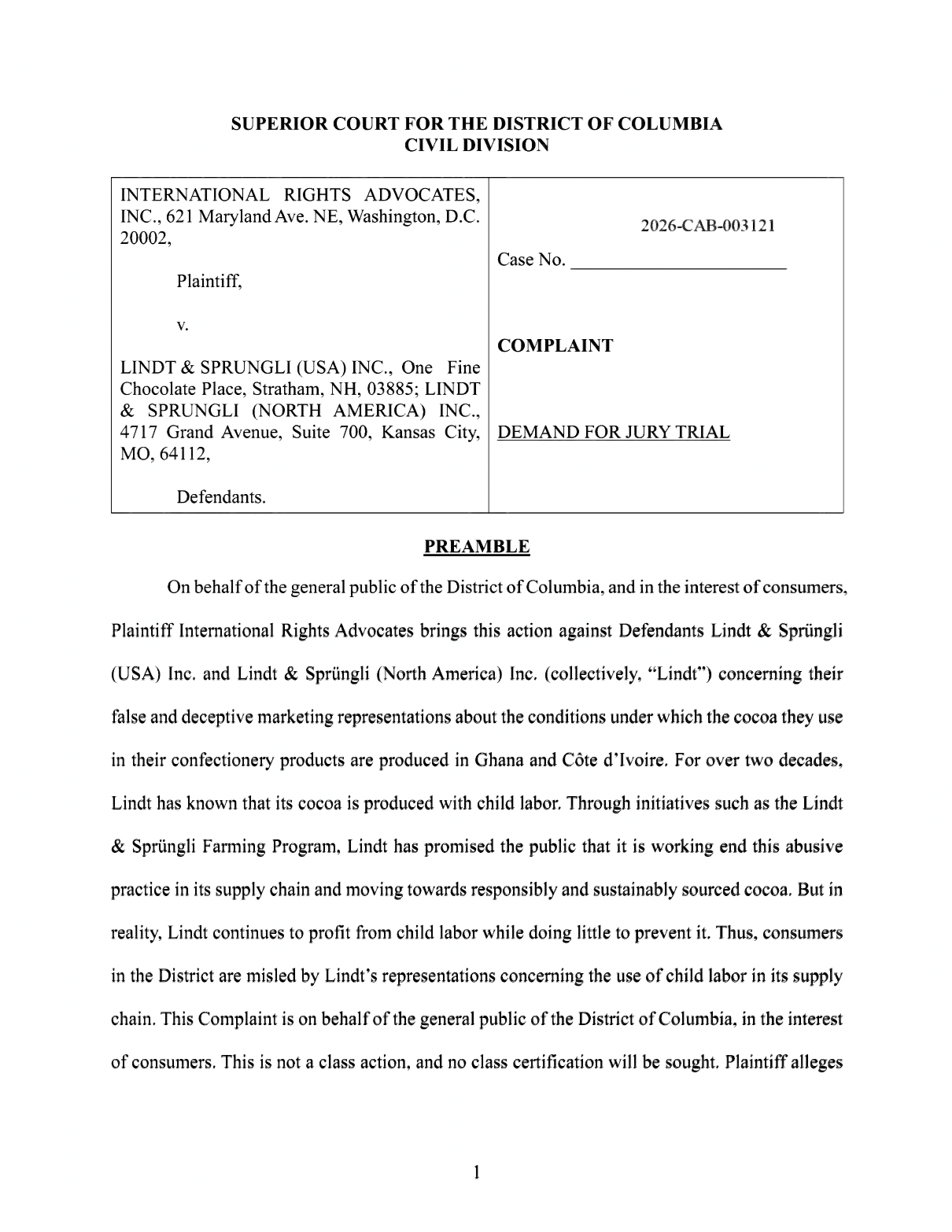
On May 8th, 2026, International Rights Advocates filed suit against Lindt & Sprüngli’s U.S. and North American subsidiaries under state consumer protection law, alleging that the confectionery giant misled buyers about human rights abuses tied to its cocoa supply chains in Ghana and Côte d'Ivoire
International Rights Advocates filed a complaint under the D.C. Consumer Protection Procedures Act, alleging that Lindt projects a public image as a responsible actor championing sustainability principles while sourcing from suppliers implicated in the worst forms of child labor and predatory buying practices. The lawsuit seeks to halt deceptive marketing and force transparency about the labor conditions behind its products.
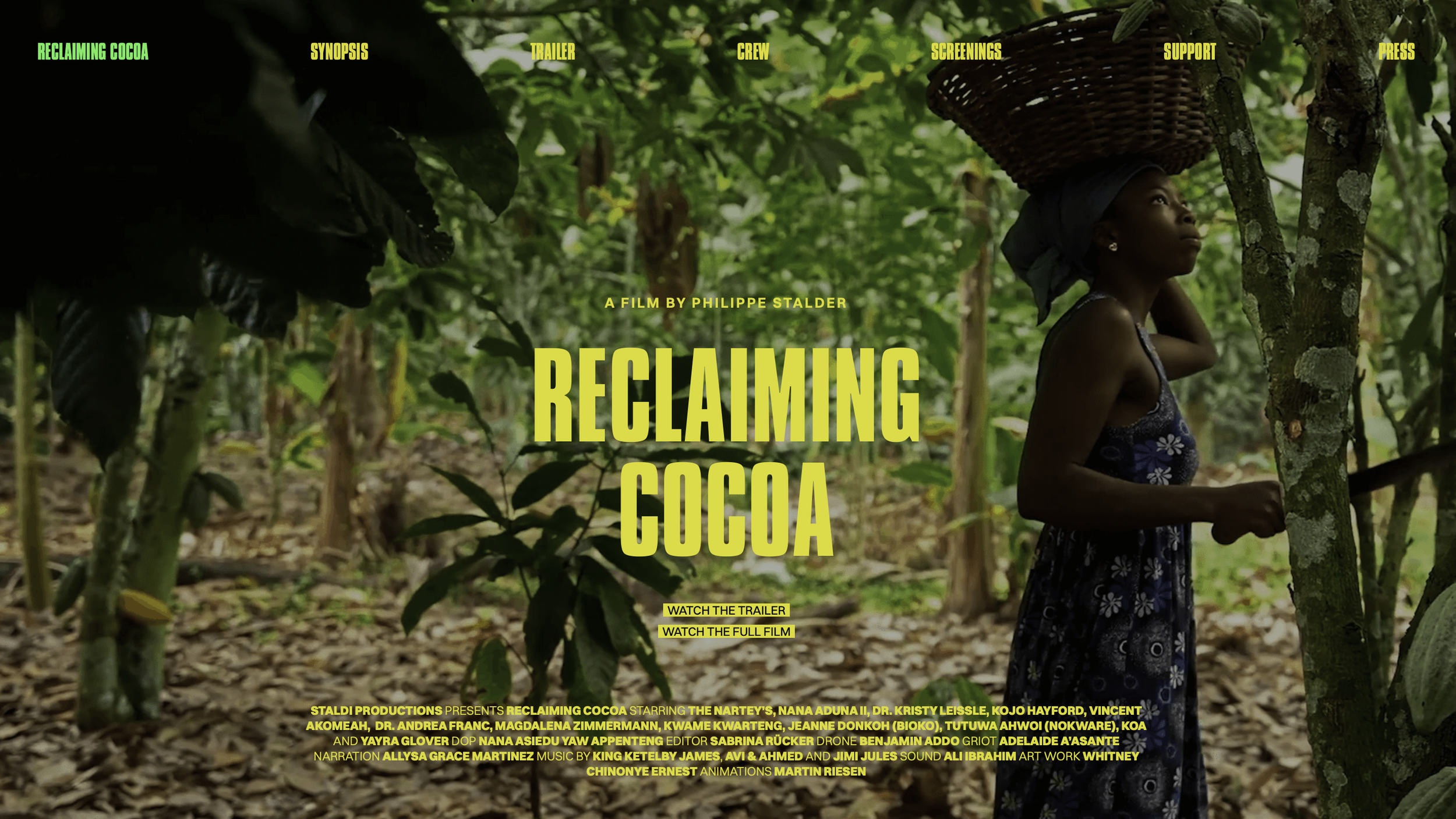
Watch the Documentary
Deep-dive Into The Egregious Labor Practices Behind the Complaint in this Fantastic Documentary by Philippe Stalder
About the Case
Lindt claims to offer consumers “indulgence rooted in responsibility”
In its public-facing materials, including representations on packaging and in reports, plans, internal codes, initiatives, and advertisements, Lindt paints an image of a company committed to respecting human rights, improving farmer livelihoods, and reducing child labor risks.
However, details in the complaint reveal the opposite picture,
a supply chain rife with children performing the worst forms of child labor. According to the complaint, instead of attending school, children in Lindt’s supply chain are harvesting cocoa with machetes and facing toxic agrochemical exposure
The allegations the program is facing
Lindt represents that the Lindt & Sprüngli Farming Program reduces child labor risk by implementing “Child Labor Monitoring and Remediation Systems” across its participating farms.
Now, the program faces allegations of providing
no meaningful monitoring or remediation for child laborers as advertised and
wholly fabricating internal rehabilitation lists to meet internal quotas
Furthermore, Whistleblower-backed claims of systematic underpayment schemes reveal the widespread use of
rigged scales to under-weigh cocoa yields, thereby fraudulently undercutting farmers’ wages, trapping cocoa farmers in poverty, and driving reliance on child labor to meet production demands and sustain their survival
Yet across the board, Lindt continues to market its products to D.C. consumers as responsibly and sustainably sourced
While Lindt stands to profit by misleading to consumers to believe it is committed to and making progress in reducing child labor risks in its cocoa supply chain, impoverished child laborers and farmers on the ground do not reap such benefits.
Why it Matters
More and more, consumers choose products and brands based on ethics and rely on product packaging, marketing, advertising, and company reports to make informed decisions about what to purchase. Such alleged deception undermines consumer rights, masks harm to communities, and distorts the ethical cocoa market.
Legal Basis of the Complaint
International Rights Advocates brings this suit under the District of Columbia Consumer Protection Procedures Act, D.C. Code §§ 28-3901–3913, against Lindt & Sprüngli (USA) Inc. and Lindt & Sprüngli (North America) Inc., based on Lindt’s deceptive advertisement regarding the use of child labor and the implementation of sustainability programs in its cocoa supply chain.
This action does not seek damages. Instead, International Rights Advocates seeks to end the unlawful conduct directed at D.C. consumers, with available remedies including an injunction to stop Lindt from engaging in unlawful trade practices and reasonable attorney’s fees incurred by bringing forth this action.
Read the Complaint in Full
to See for Yourself
How You Can Help

Contribute to our work by donating.
I'll support you!

Deep-dive into the labor practices behind the Lindt complaint

Sharing on social media by visiting our public profiles and reposting